Ashford Allotments
  • WELCOME
    • About this website
  • NEWS and What's On
  • SEASONAL STUFF for this part of Kent
  • HOW DO I GET AN ALLOTMENT?
  • YOUR NEW ALLOTMENT
  • TRADING STORE and the bulk buying scheme
  • TOUR OF THE ALLOTMENT SITES
  • ADVICE AND INFORMATION
  • FRUIT & VEG A - Z gardener's notebook
  • SWAP SHOP: free stuff, stuff wanted etc
  • GROWERS CLINIC - your problems.
  • USEFUL LINKS & ADDRESSES
  • ALLOTMENT ORGANISATIONS
  • Ashford Borough Council
  • CONTACT
  • SUMMER SHOW 2015
    • Tips for showing
  • SUMMER SHOW REPORT 2014
    • SUMMER SHOW 2014
    • PRIZES FOR THE 2014 SHOW
    • "Best Plots" competition 2014
  • Other local allotments

GROWERS' CLINIC -

Send your growing query or pest and disease problems, and we'll do our level best to answer them. Or if you know the answer to a problem here, then share your knowledge with everyone. All your tips are very welcome, so don't be shy!

Contact us

Is it true that rhubarb can prevent clubroot?

30/6/2014

2 Comments

 
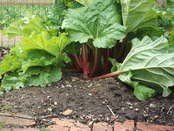
Picture rhubarb, can it prevent clubroot
Old country lore says that putting a short piece of cut rhubarb stem, or torn up rhubarb leaves, in the planting hole when planting brassicas will prevent clubroot. Another version says boil the leaves in water and pour the water in the holes. "Does it work?" We're asked . . .

The idea is, apparently, that the calcium oxalate found in the leaves kills the fungus. However, when tested at the University of Edinburgh in 2008, it was found that the use of rhubarb had no significant effect. What little effect it did have was due to the calcium, which increased the soil pH slightly.

The usual way of keeping clubroot at bay (apart from being very careful when buying plants)
is to practice good crop rotation and lime the soil well before planting. The lime (calcium carbonate in the case of powdered chalk) has a much more powerful effect in controlling clubroot, but crop rotation is also very important. Rhubarb has no noticeable effect.


For more about crop rotation click here


2 Comments

What can I use to control leek rust?

24/6/2014

0 Comments

 
Leek rust is always worse after a wet winter. Or a wet summer the year before. So it's no surprise that this year it's a nightmare.
Unfortunately there is no chemical (not even fancy organic stuff) available to control leek rust. After hours researching on line, all we could find was articles from commercial growers the world over wailing about how the professional fungicides they were using (so much stronger than the ones amateur gardeners can buy) were no use at all. As commercial garlic crops are affected by the same fungus, I have no doubt that the big multinational agrochemical companies are frantically working to find a cure, in the sure and certain knowledge that they will make billions from growers. So we can hope to see something in due course, but that's no consolation now.
You can reduce the leek rust problem by some cultural techniques: the plants will still get it, but will struggle along and still produce a decent enough crop.
  • Rotate your crops properly. Leek rust also affects garlic, so bear that in mind when planning your planting. If you can remember to grow them in a different part of the patch when the rotation comes round again, that will give the soil double time to get rid of the spores.
  • Don't use too much high-nitrate feed. Lush growth is more vulnerable
  • Trim the tops of the leaves of seedlings before planting so they don't trail on the ground.
  • Put plants in at a wider spacing to allow air to circulate and the leaves less like to touch each other, spreading the rust across the row.
  • Pick off badly affected leaves.
  • Give plants a liquid feed with a balanced fertiliser to help them cope with the lost leaves.
  • Experts tip: to reduce leek rust problems, water leeks in the morning so the sun can dry the leaves. Water no more than necessary but don't let the plants go dry.
0 Comments

    Send in your problem to us

    Use the CONTACT US form - or email your query, with a photo if at all possible, to ashfordallotments
    @yahoo.co.uk

    Archives

    June 2015
    November 2014
    June 2014
    March 2014
    December 2013
    November 2013

    Categories

    All
    Beetroot
    Clubroot
    Courgettes
    Diseases
    Fungus
    Garlic
    Leeks
    Lettuce
    Mildew
    Sparrows
    Squash
    Toadstools
    Weedkillers
    Weeds

    RSS Feed

Powered by Create your own unique website with customizable templates.
