Ashford Allotments
  • WELCOME
    • About this website
  • NEWS and What's On
  • SEASONAL STUFF for this part of Kent
  • HOW DO I GET AN ALLOTMENT?
  • YOUR NEW ALLOTMENT
  • TRADING STORE and the bulk buying scheme
  • TOUR OF THE ALLOTMENT SITES
  • ADVICE AND INFORMATION
  • FRUIT & VEG A - Z gardener's notebook
  • SWAP SHOP: free stuff, stuff wanted etc
  • GROWERS CLINIC - your problems.
  • USEFUL LINKS & ADDRESSES
  • ALLOTMENT ORGANISATIONS
  • Ashford Borough Council
  • CONTACT
  • SUMMER SHOW 2015
    • Tips for showing
  • SUMMER SHOW REPORT 2014
    • SUMMER SHOW 2014
    • PRIZES FOR THE 2014 SHOW
    • "Best Plots" competition 2014
  • Other local allotments

Why use green string?

15/3/2015

0 Comments

 
It's more expensive than brown string, so why use it on an allotment where brown string looks just as good? There is a very good reason however.

Sparrows love using string fibres to line their nests, and if you tie up your beanpoles or sweet pea frame with briown string, they will fray and shred every fibre right back to the knot. The knot will then come undone (and they'll then happily take the rest of the string. If you've come back to the plot to find your carefully constructed bean fram all askew, this may well be the reason.

Sparrows don't recognise green string as string, so they leave it alone!
0 Comments

Dare I plant my potatoes this early?

21/2/2015

0 Comments

 
Bill is famous for doing everything two weeks before the books say. He usually gets away with it, and often has the earliest crops on the site. Whatever the books say, if you fancy getting your seed potatoes in during the last week in February, the risk may well pay off.

Kent does get late frosts - however they are rarer here than, say, in the Midlands or East Anglia, so the risk is less. Have some sacking, old newspaper, net curtains - whatever, although I should remind you that the Trading Store sells Crop Protection fleece very cheap! - ready as the leaves emerge, and keep your eye on the weather forecast. A light covering is all it needs to protect young leaves from scorching. Even a 'ground frost' later in spring, which may blacken the tips of the leaves, does not do any serious damage.

You do not need to 'chit' seed potatoes before planting. We lay seed potatoes out in a light, frost-fee place so they don't produce long fragile shoots in the interval between buying them and planting them. Chitting doesn't speed up the crop and you can plant seed potatoes straight away without doing it.

For more on growing potatoes locally click here to go to our advice page.
0 Comments

Don't mess up your soil structure!

20/2/2015

0 Comments

 
The majority of allotment sites in Ashford are on clay soils. On these heavy, often wet soils, it is a constant struggle to try to get the soil as light and fluffy as possible.

It's also vital to avoid, whenever possible, squashing the soil down again after you've dug and forked it. Even after this relatively dry winter, the water table is high and the lower layers of soil wet. Once squashed down by heavy boots, the soil becomes an airless, Plasticene-like squidge. Roots like air round them as well as water and soil - in airless conditions the fine roots of many types of veg just die, and the crop is either poor or fails altogether.
0 Comments

Why do we 'chit' potatoes?

26/1/2015

0 Comments

 
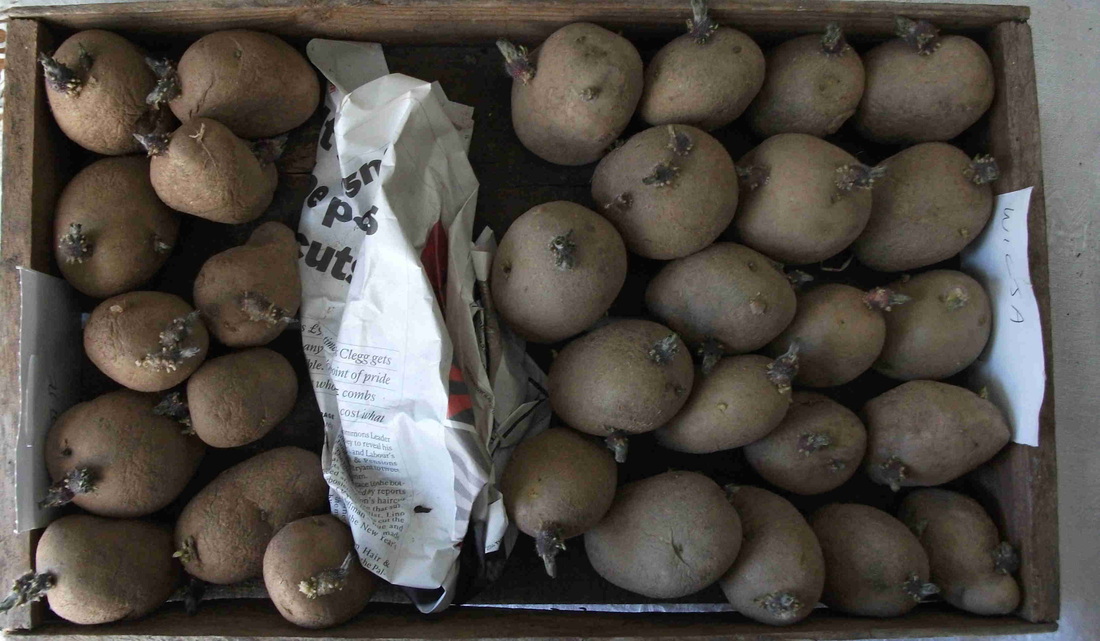
Traditionally, gardeners' 'chit' potatoes by laying them out in trays in a cool, light, frost-free place till compact green shoots appear. But why do we do this? For in fact, research has shown that it doesn't make any difference to how early or heavy the crop is.
Picture
This practice goes back a long way, back indeed till the days when the only thing you could store seed potatoes in was hessian or paper sacks. And, as everyone knows, leeping potatoes in the dark leads to them producing long, pale fragile shoots. This WOULD be a bad thing, as these weak shoots can't survive planting and only weaken the reserves of the seed potato. So laying the potatoes out stops them from producing long shoots and keeps them healthy. Don't make the mistake of thinking you need to encourage shoots by extra warmth - all that is necessary is to keep the potatoes above 5degC.

For more about growing potatoes see our FRUIT & VEG A - Z section on potatoes.
0 Comments

Fresh peashoots now!

21/1/2015

0 Comments

 
Dig out those old peas seeds (if you're canny you'll have saved the dry ones when you cleared the rows at the end of the year) and sow them in the greenhouse or on a windowsill now for fresh juicy peashoots. Just fill a tray with compost and run a solid layer of peas in. They soon shoots and give you something fresh and tasty to add to a salad or use as a garnish.

MOUSE ALERT! Mice love peas and will dig up and gobble all of them unless you protect them. Use an old-fashoned mousetrap or soak the peas briefly in paraffin (it won't affect the taste of the shoots, as long as you drain them well afterwards.)

For more about growing peas in general go to our advice section - success with peas.
0 Comments

Sow onions now !

2/1/2015

0 Comments

 
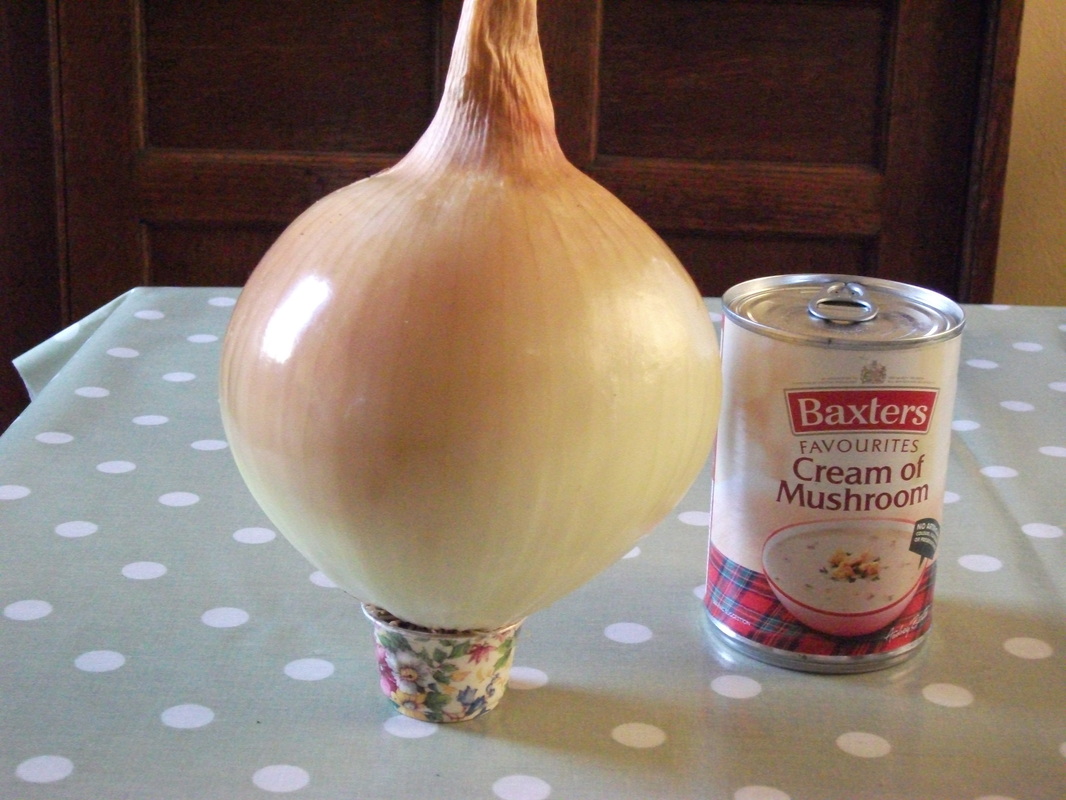
grow giant onionsPicture
Bet you can't grow onions like this! (Yes, that is a normal-sized tin of soup.) Derek's uncle Roy gave him this one - not that he was showing off at all, of course! Grown on an allotment in Stoke on Trent.

Picture
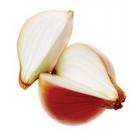
All the books will tell you, sow seed of onions now for late summer crops.

Why should I grow them from seed? Surely sets are easier?

Yes, sets are easier, and if you have experienced no disease problems, go ahead. However, experience has shown that seed-grown plants are less vulnerable to basal rot. As far as grey mildew goes, you can choose a mildew-resistant variety such as 'Santero' (shown above). Click on the picture to go to Kings Seeds website, do an online search or check out Wilkinsons or your garden centre.

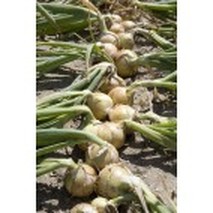
Other good mildew-resistant onions include F1 variety 'Hylander', which I grew with success last year. It's available from Tuckers Seeds; click on the picture on the right to go to their website.

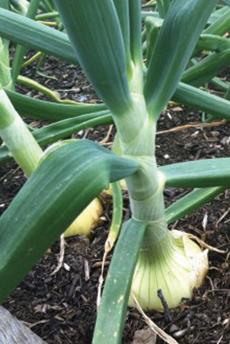
Below - healthy onion foliage with seaweed extract
Picture
Picture
This year I will be trying using seaweed extract (available from the Trading Store) on my onions, having had great success with it last year on leeks. I will also be cutting down on high-nitrate fertiliser and dressing the soil with superphosphate (also available from the Trading Store), in an attempt to produce stronger roots and more disease-resistant foliage. Click here to go to an interesting article on using seaweed extract when growing onions.
0 Comments

Still no proper frosts?

4/12/2014

0 Comments

 
Though the weather now is raw and unpleasant to be out in, we've had no 'hard frost' - i.e. night-time temperatures below 0degC. This is quite unusual (although not unheard of) for early December, and it does present the gardener with some problems.

For example, many fruit bushes, in particular raspberry canes, are still hanging onto their leaves. And plants like asparagus, which have usually gone yellow and died down by now, are still partly green.

The usual advice to gardeners is, go by the weather not the calendar. This can be tricky when to many autumn jobs are being deferred into what is usually considered winter, though.

Winter digging can be put off till the Christmas break - there will be plenty of hard frost in January to break up the soil.

Clearing up debris should be done as soon as possible - you'll be clearing away pests too.
 
Continue to use slug pellets - a lot of slug damage is still being done to carrots and turnips.

Picture
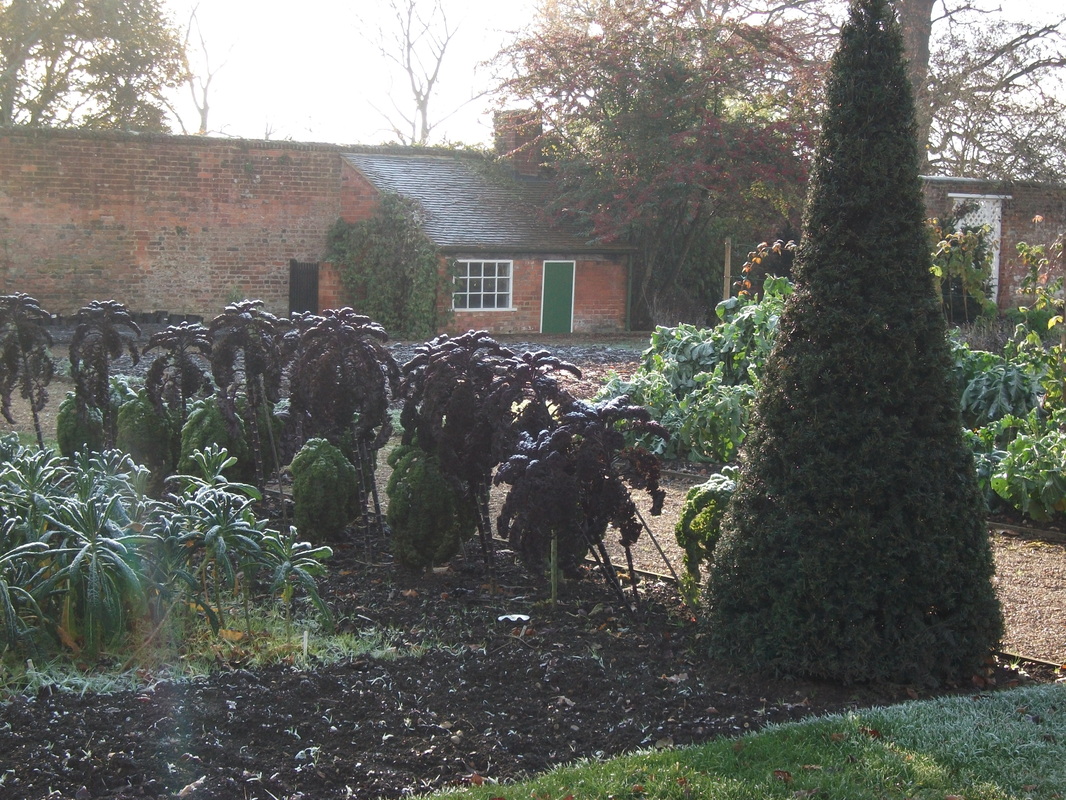
Above: Godinton Walled Garden in a 'hard frost' - this picture was taken midday in late November in 2012
Beetroot have done well this year. Before we get really cold weather, lift the best roots and store them in damp sand in a shed or greenhouse.
0 Comments

Flooding is inevitable this winter

9/11/2014

0 Comments

 
Normally, our rainfall in Kent is inadequate to our needs and hosepipe bans are a frequent trial for the keen gardener. However, we have had a very prolonged wet spell -= several years now - and dry summer grass and parched soil are becoming a distant memory. Although September was dry, it came after a wetter-than-usual summer and has been followed by a long spell of frequent heavy rain. On Saturday night alone nearly one inch of rain fell.
Picture
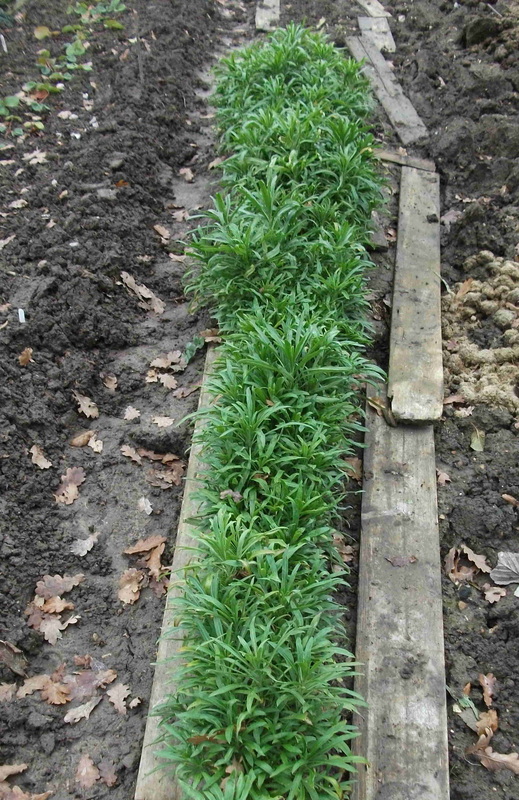
Our subsoil is now fully charged with water. Normally by the autumn it would be dried out and shrunken, ready to absorb the rains of autumn. This year, like last, all the rain which falls is lying on the surface. A quick glance at low-lying fields shows standing water everywhere. We will just have to do our best to cope with the problem.

Left - lay boards alongside rows to walk on.
Covering areas of soil will, unfortunately, just throw the extra rain onto adjacent areas. But it is worth doing this if you intend to sow winter peas and beans. While in Northern areas it is OK to sow these in October, it's best to wait till later in autumn here in the South, and mid-December is an ideal date most years. Take the time to raise the area you will be sowing into by throwing soil towards the centre. Raking it will be tricky with it this wet, but level it as best you can then cover with polythene (clear is fine as you aren't trying to suppress weeds). Weight the polythene down well all round, or it will blow away. With any luck, a combination of keeping any further rain off, and the drying effect of the sun through the polythene, will mean you can roll the cover back in a month's time and sow into reasonable soil rather than a muddy mess!
0 Comments

Get those squash in NOW!

24/10/2014

0 Comments

 
If you haven't already got your winter squash safely gathered in, do it this weekend. When we do get a frost, it could be a hard one, with it being so late in the year, and could damage uncollected squash. If you have a greenhouse or conservatory to finish ripening them in, all the better.
0 Comments

Can I save my own seed from tomatoes?

12/10/2014

0 Comments

 
Yes, you can, if they are heritage varieties rather than modern hybrid varieties. Click here to go to our page on tomatoes with more info.
0 Comments
<<Previous
Forward>>

    Kent's climate is drier, hotter and has a longer growing season than the average for the UK. Advice in gardening books may not fit Kent. This blog has local tips on what will grow and when to do garden jobs.

    SEND YOUR SEASONAL SUGGESTIONS IN BY USING OUR ONLINE POSTBOX 

    Our postbox

    Archives

    December 2015
    October 2015
    September 2015
    August 2015
    July 2015
    June 2015
    May 2015
    April 2015
    March 2015
    February 2015
    January 2015
    December 2014
    November 2014
    October 2014
    September 2014
    August 2014
    July 2014
    June 2014
    May 2014
    April 2014
    March 2014
    January 2014
    December 2013
    November 2013
    October 2013

    Categories

    All
    Asparagus
    Beetroot
    Blackcurrants
    Cabbage Family
    Cabbage Family
    Carrots
    Courgettes
    Cucumbers
    Currants
    Diseases
    Flooding
    Flowers
    Fruit Bushes
    Garlic
    Gooseberries
    Greenhouse
    Leeks
    Marrows
    Onions
    Parsnips
    Peas And Beans
    Peppers
    Plants For Free
    Potatoes
    Propagating
    Raspberries
    Rhubarb
    Salads
    Seedlings
    Seeds
    Shallots
    Soft Fruit
    Soil Preparation
    Squash
    Storing Produce
    Swede
    Sweet Peas
    Tomatoes
    Watering
    Weather
    Weed Control
    Winter Squash

    RSS Feed

Powered by Create your own unique website with customizable templates.